Wildcrafted sea moss, prepared simply. See how →
Pure Sea Moss
Shop the gel

The honest answer

What does sea moss gel taste like?

The short answer

Plain sea moss gel tastes faintly of the sea, with a squeeze of lime behind it. The flavor is mild and the texture is the part people react to: thick, slippery and cool, closer to aloe than to yogurt.

Nobody eats sea moss gel for the taste, and any brand telling you it is delicious straight from the spoon is selling you something. What it actually is: mild, salty at the edge, and almost entirely about texture.

01

What plain gel tastes like

Mild, marine, slightly salty, with lime. That is the honest description in six words.

The closest everyday comparison is the water left in a bowl after you rinse seaweed — faint, clean, unmistakably of the sea, but nothing like eating a piece of nori. People who expect a strong fishy taste are almost always relieved. People who expect it to taste of nothing are mildly surprised.

Our jar lists lime juice as an ingredient, and you can taste it. It sits at the front, brightens the marine note and keeps the whole thing from tasting flat. On a spoon it reads as a very mild, slightly savory citrus gel.

What it does not taste like: sweet, bitter, fishy, medicinal, or of anything that has been flavored to hide something. There is nothing in the jar to hide.
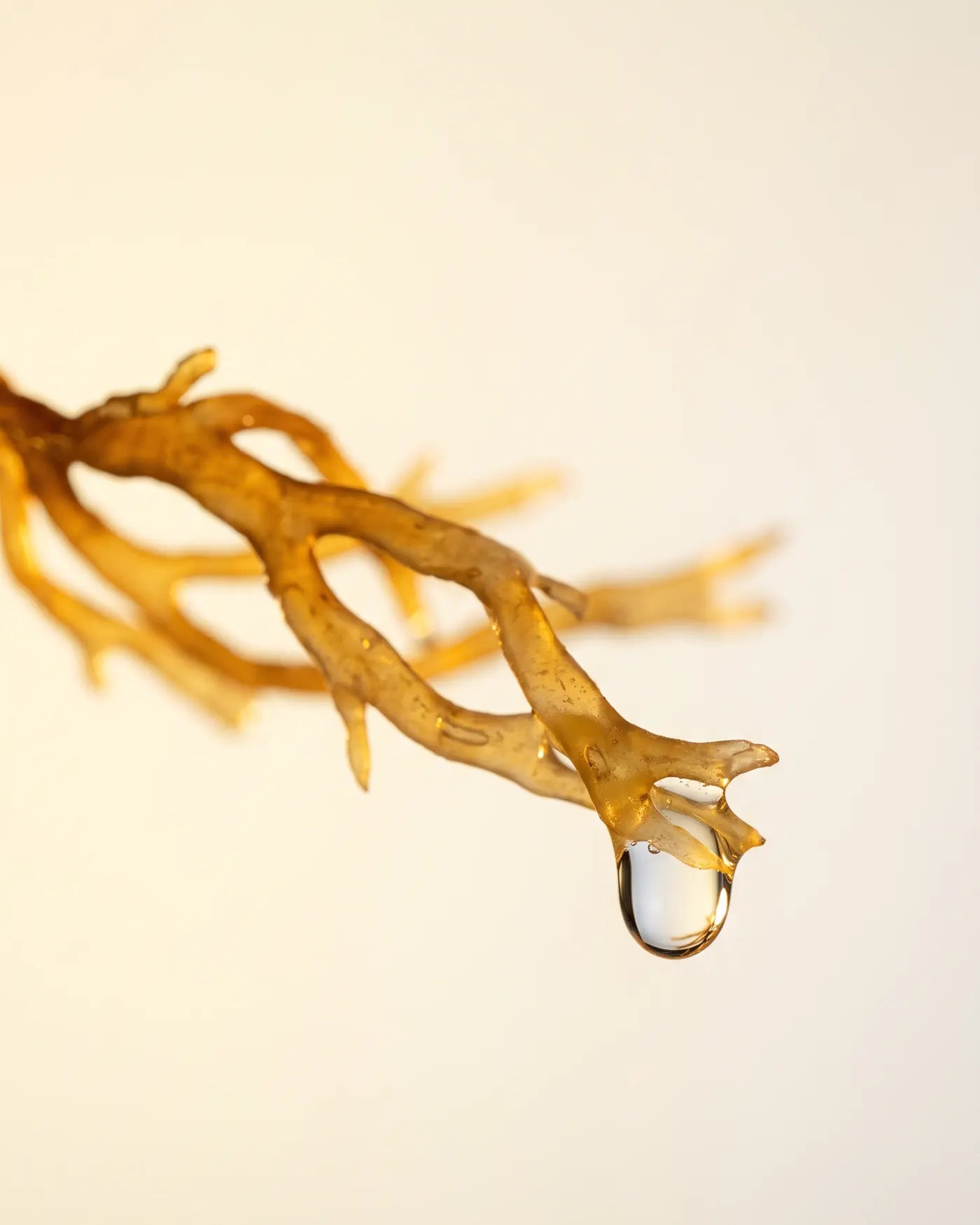
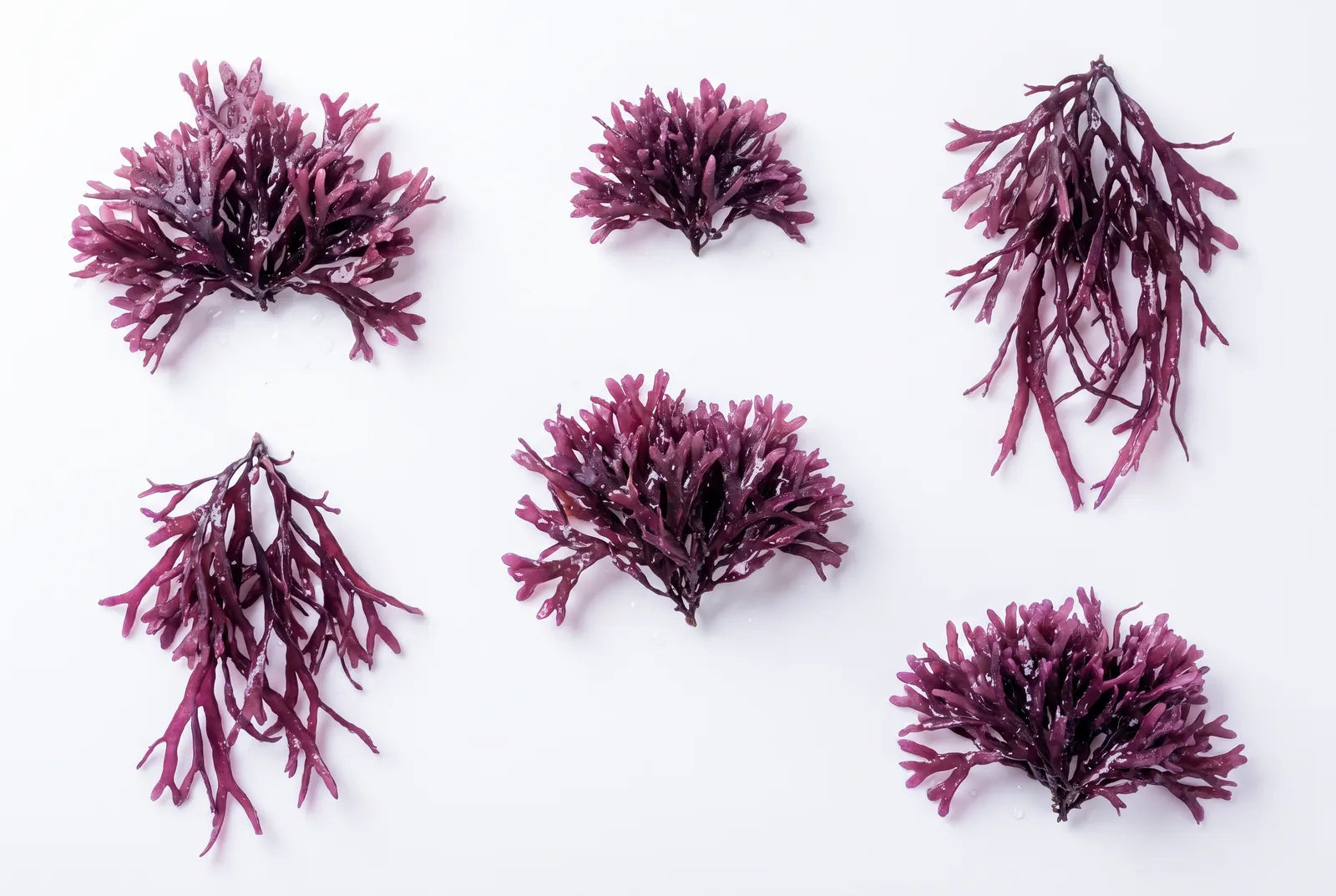
02

The texture, which is the real question

When someone says they do not like sea moss gel, nine times out of ten they mean the texture and not the taste.

Cold from the fridge it is thick and holds the shape of the spoon, then loosens in your mouth. Aloe vera gel is the nearest reference most people have. It is slippery rather than creamy, and it does not melt the way a dairy product does.

Two things change the experience completely. The first is temperature: straight from the fridge it is firm and easy to swallow, while at room temperature it goes softer and slacker and most people like it less. The second is company — in a smoothie, in oats, in a glass of lemonade, the texture becomes body rather than something you notice on its own.

If the spoon is the problem, stop using the spoon. That is not a compromise, it is how sea moss has been eaten for a couple of centuries.

Cold, it holds the shape of the spoon. That thickness is the whole sensory story.

03

What it smells like

Faintly of the ocean when you open the jar, and then almost nothing.

Expect a brief marine note as the lid comes off — like a wet stone at the shore — followed by very little. It should not smell strong, and it should not smell sour, yeasty or sharp.

That makes the smell a useful check. If a jar smells fermented or sharply sour, or the color has shifted, do not taste it to find out. Throw it out. Keep refrigerated after opening and use a clean spoon every time, and you will not have that problem.

04

What the flavored jars change

Flavor is added to make the gel a thing you look forward to rather than a thing you get through.

A flavored gel is the same gel with fruit, herbs or spice worked in. The marine note steps back, the texture stays exactly as it was. Nothing about the flavoring changes the sea moss.

The practical difference is where each jar belongs. Mango and raspberry lean sweet and go into drinks and yogurt. Hibiscus is tart and tints whatever it touches. Chocolate pudding is the one people eat with a spoon on purpose. And Gold Pure stays unflavored for dressings and savory food, where mango would be a mistake.

Every ingredient in every jar is printed on that jar. If you want to know exactly what is in the flavor, the label is the document.

If you plan to drink it, the Mango jar is the easiest start. If you plan to blend it, the smoothie method hides most of the texture.

Six ways to make it easier

  1. Keep it cold

    Straight from the fridge it is firm and quick to swallow. At room temperature it goes slack and most people like it less.

  2. Chase it with citrus

    A wedge of lime or lemon after the spoon clears the marine note in a second.

  3. Put it in something thick

    Oats, yogurt, chia, a smoothie. The texture becomes body instead of a texture.

  4. Shake it into a drink

    Sea moss lemonade is the standard answer. Shaken with acid, the gel disperses and you get body without slipperiness.

  5. Add a pinch of salt

    Counter-intuitive and it works: salt rounds off the marine edge in any blended drink.

  6. Start with a flavored jar

    If the plain gel is a fight, do not fight it. Mango or raspberry gets the habit started.

Questions

What people ask before their first jar

Does sea moss gel taste fishy?

No. It tastes faintly marine, which is a different thing — clean and mild, like rinsed seaweed rather than like fish.

Is it sweet?

Plain gel is not sweet at all. The flavored jars are, to varying degrees, and the label on each one tells you what was added.

Can I taste it in a smoothie?

Barely. Frozen fruit and a pinch of salt cover it almost entirely, and what you notice instead is that the smoothie is thicker.

What is the texture like exactly?

Thick, cool and slippery, holding the shape of the spoon when cold. Aloe vera gel is the closest common reference.

Which flavor should a first-timer buy?

Mango if you plan to drink it, Gold Pure if you plan to cook with it. If you are unsure whether you will like the texture at all, a flavored jar makes the first week easier.

Why does mine taste saltier than I expected?

Usually a larger spoonful than the serving size. Sea moss grows in seawater and the marine note scales with how much you take at once.

Seven flavors, so the spoon is not a chore.

Gold Pure for cooking. Mango, raspberry or hibiscus for drinking. Chocolate pudding for the spoon.