Wildcrafted sea moss, prepared simply. See how →
Pure Sea Moss
Shop the gel

Recipes

Sea moss gel recipes that do not taste like a chore

The short answer

Sea moss gel has almost no flavor of its own and it thickens whatever it joins. That makes cold drinks, smoothies, oats and dressings the easy places to put it — and anything hot the place where it thins out and disappears.

A spoon straight from the jar is the shortest route and most people stop enjoying it by day four. Everything below is built so the gel is doing a job — thickening, softening, carrying a flavor — rather than being the thing you have to get past.

01

How the gel behaves in food

Three properties decide every recipe on this page. Learn them and you can improvise the rest.

It thickens. The carbohydrates that make sea moss set into a gel keep working when you stir it into something else. A thin smoothie becomes a thick one. A vinaigrette stops separating. A glass of water becomes slightly viscous, which is the single most common reason people give up on drinking it plain.

It carries flavor rather than adding it. Plain gel tastes faintly of the sea and of the lime juice in the jar, and that is most of it. In a blended drink with fruit you will notice the texture long before you notice the taste. In something thin and clear, you will notice both.

It prefers cold. Chilled, it holds its body and blends smoothly. Warm, it loosens; hot, it loosens completely and stops thickening anything. That is not a problem — it just means the gel is along for the ride rather than doing work.

It sets cold desserts too: a spoonful firms up a chilled pudding or a mousse, and the Chocolate Pudding jar is made for exactly that. If you would rather start from dried moss, make your own gel. And if you are wondering what it tastes like on its own, start there.
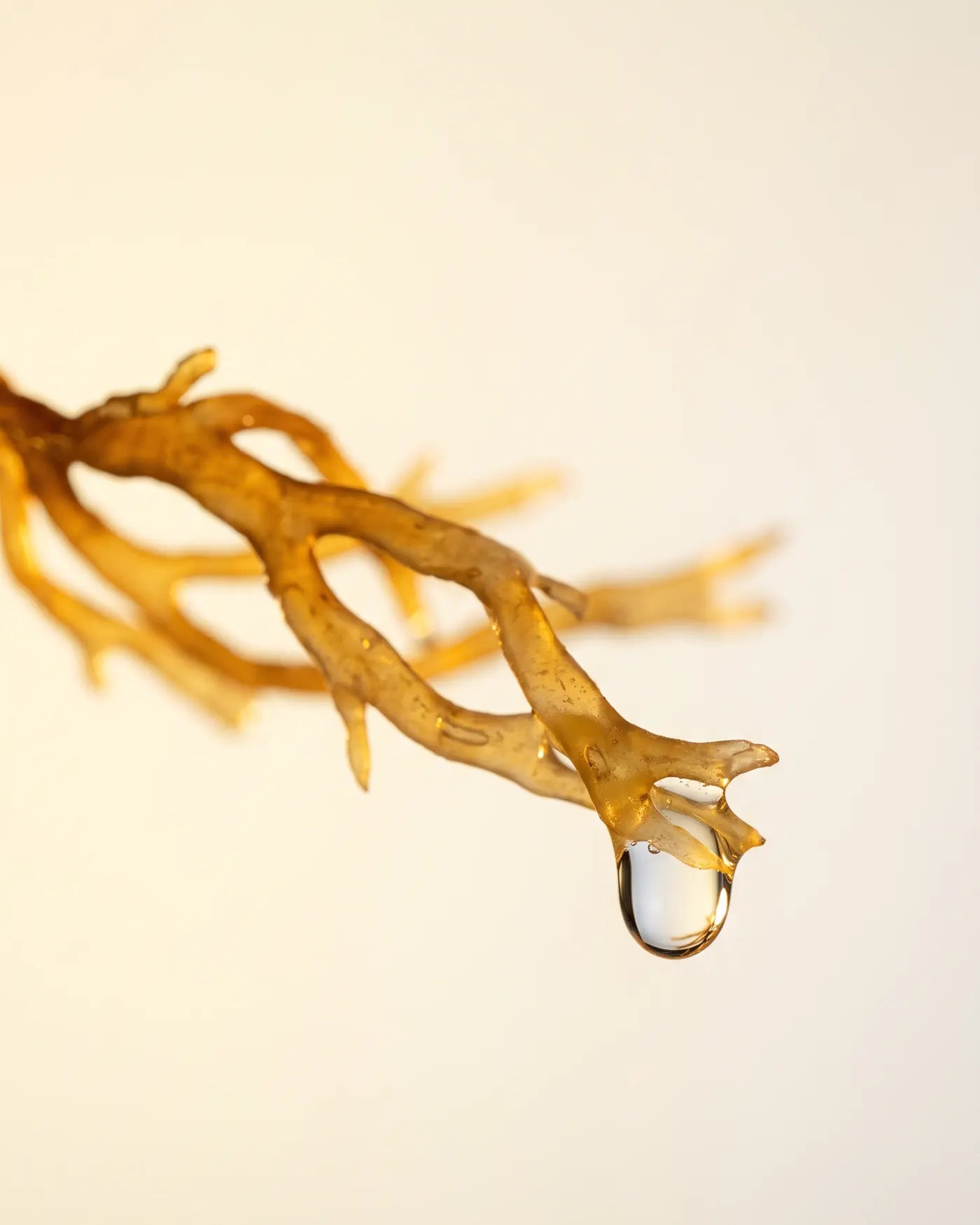
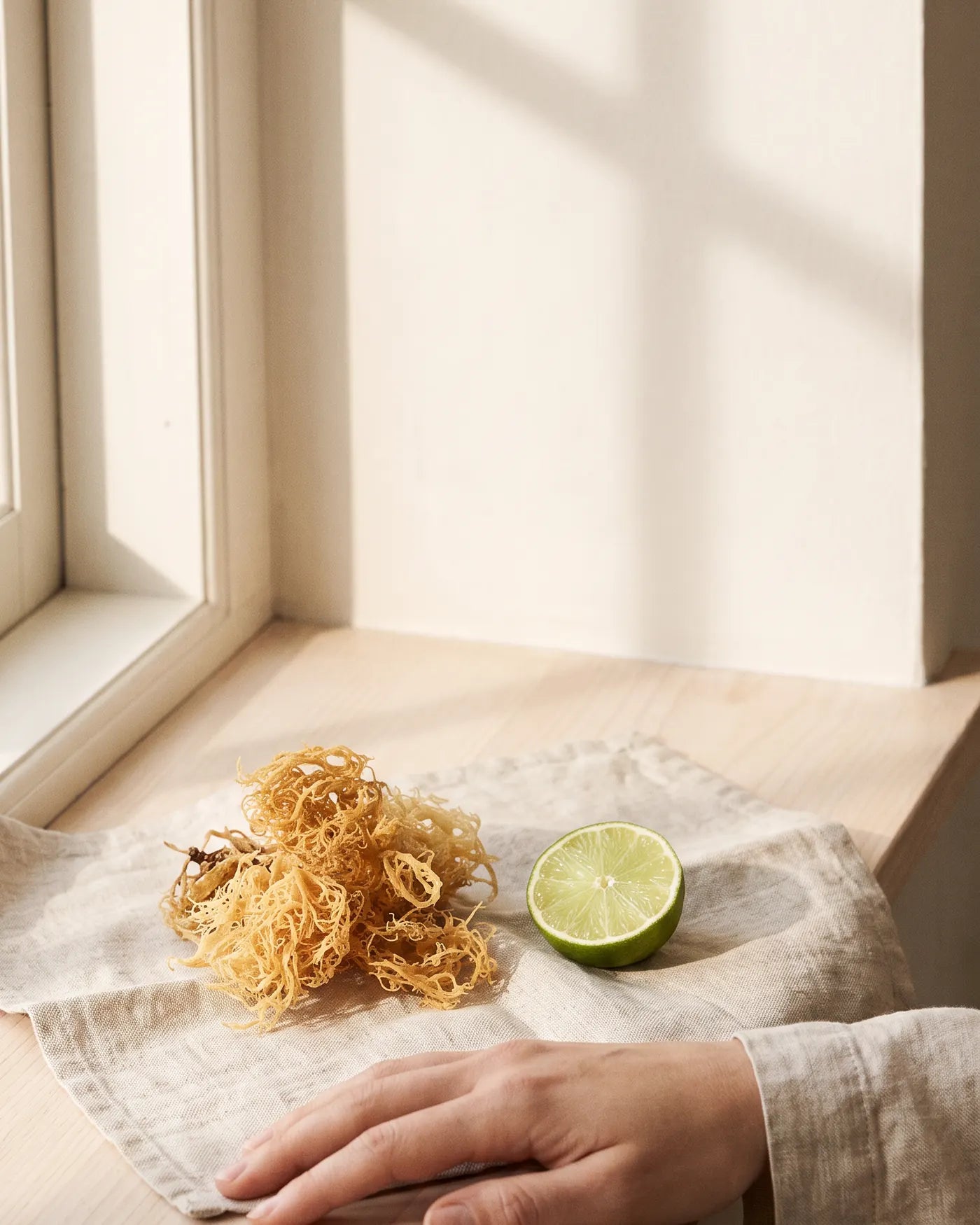
Straight from the jar the gel holds its shape. That is the property every recipe here is using.

02

Cold drinks and smoothies

The easiest category by a wide margin, and the one to start with.

In a blender the gel disappears into the fruit and leaves behind a thicker, rounder drink. Frozen banana, mango or berries do most of the work; the gel takes the place of the yogurt or the half-banana you would have added for body.

The two recipes worth bookmarking are a sea moss smoothie, which is the default, and sea moss lemonade, which is what to make when you do not want a thick drink at all. Both have the full method on their own page.

For anything else: blend the gel with the liquid first, then add the frozen fruit. Gel added at the end to an already-thick blend tends to leave streaks.

03

Breakfast, where it hides best

Anything already soft, already cold and already thick will take the gel without complaint.

Overnight oats. Stir a serving of gel into the oats and milk before they go in the fridge. By morning the texture is indistinguishable from oats made with yogurt. This is the recipe people keep doing six months later.

Chia pudding. Same principle, and the two gels work together — chia sets from the outside in, sea moss from the start.

Yogurt bowls. Fold it through rather than laying it on top. A spoonful sitting on the surface is a spoonful you will taste on its own.

Smoothie bowls. Thicker than a drinkable smoothie, which is exactly what the gel is good at. Use less liquid than you think.

04

Dressings and savory food

The category nobody tries, and the one where the gel is most useful as an ingredient.

Vinaigrette. Sea moss gel is an emulsifier by accident: whisk a small spoonful into lemon juice and olive oil and the dressing holds together instead of splitting. Mustard does the same job; this does it without the mustard.

Cold soups. Gazpacho and cucumber soups gain body without cream.

Hummus and dips. Blend it in with the tahini. It loosens the paste and then thickens it back, which sounds contradictory and works.

Marinades. The gel clings, so a marinade stays on what you put it on rather than pooling in the dish.

The rule in savory food is restraint: a small spoonful changes the texture, a large one makes everything slightly slippery.

05

What heat does to it

Worth knowing before you stir it into soup and wonder where it went.

Heat loosens the gel. In hot tea, coffee or soup it dissolves and thins out, and whatever thickening you were hoping for does not happen. Nothing is ruined — the gel is simply in the drink now instead of thickening it.

If you want a warm drink, add the gel to the mug after the liquid has come off the boil and stopped steaming hard. If you want thickness, go cold. And if a recipe asks you to simmer it for a long time, it is asking you to turn your gel back into liquid.

Contains naturally occurring iodine. If you are pregnant, nursing, or have a thyroid condition, consult your physician before use.

Pairing

Which jar for which recipe

The flavored jars are not decoration — each one points at a different set of recipes.

The default

Gold Pure

No added flavor, so it takes the character of whatever it joins. The jar to reach for in savory food, dressings and anything where you do not want the gel to have an opinion.

Best in
Dressings, oats, savory
Taste
Faintly marine, a touch of lime
Avoid in
Nothing — it is the neutral one
See Gold Pure →

For drinks

Mango

Tropical and sweet enough to carry a smoothie on its own. Pairs with frozen banana, pineapple and coconut, and turns lemonade into something closer to an agua fresca.

Best in
Smoothies, lemonade, yogurt
Taste
Ripe mango, forward
Avoid in
Savory food
See Mango →

For color

Purple Hibiscus

Tart and floral, and it tints whatever it lands in. The jar for iced drinks and for a smoothie bowl you actually want to photograph.

Best in
Iced drinks, smoothie bowls
Taste
Tart, floral
Avoid in
Anything you need to stay pale
See Purple Hibiscus →

Flavors available by size and format. Every ingredient in each jar is printed on its label.

Kitchen questions

The ones that come up while you cook

How much gel goes in a recipe?

One serving, as printed on the label, per portion. More does not make the recipe better — it makes it thicker and saltier.

Can I bake with sea moss gel?

You can, and the traditional Irish use of sea moss is exactly that: it was a setting agent in puddings long before it was sold in jars. Just know that oven heat removes the thickening you were adding, so it works as an ingredient rather than as a stand-in for gelatin in a no-bake recipe.

Does it change the taste of a smoothie?

Barely, in a blended drink with fruit. You will notice the thickness first. In something thin and clear — water, plain tea — you will taste the sea and the lime.

Can I blend a whole jar at once and portion it?

Blending it with fruit shortens how long it keeps, because you have added ingredients with their own clock. Blend what you are about to drink, and keep the jar refrigerated after opening.

My smoothie came out slimy. What went wrong?

Almost always too much gel, or gel added at the end. Blend the gel with the liquid first, then add frozen fruit, and use one serving per portion.

Pick a flavor, then pick a recipe.

Seven flavors, two formats, three sizes. The recipes are the same either way.